Bobcat Track Loader Maintenance Schedule
The High Cost of Skipping Scheduled Service
A Bobcat track loader is a significant investment that earns its value through continuous job site availability. Unplanned breakdowns are expensive, and most trace back to a simple root cause: neglected routine maintenance. Bobcat’s guidance emphasizes a disciplined, scheduled approach to service to prevent minor wear from escalating into major component failures. This proactive strategy protects the machine’s warranty, safeguards its resale value, and ensures peak performance and longevity on demanding worksites.
Bobcat Track Loader Service: Maximizing Uptime with a Scheduled Maintenance Plan
Mastering the Daily Walk-Around and Undercarriage Care
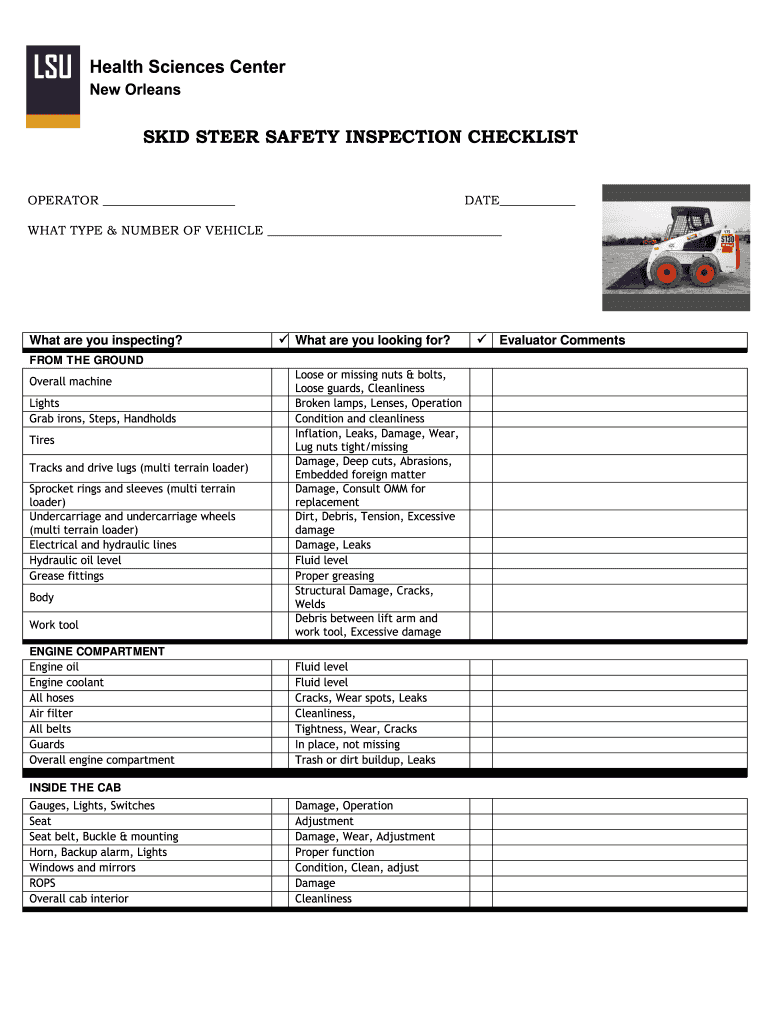
The Bobcat foundation of any good maintenance plan is the daily pre-start inspection. Operators should develop a habit of checking fluid levels—engine oil, hydraulic fluid, and coolant—along with inspecting for any leaks. A critical task unique to track loaders is checking and adjusting track tension. Incorrect tension is one of the most common and costly maintenance errors, leading to premature wear on rollers, idlers, and the drive sprocket. Beyond tension, daily cleaning of the undercarriage is essential. Removing packed mud, dirt, and debris prevents material buildup that generates heat, accelerates seal wear, and can ultimately lead to a de-tracking event, saving thousands in potential repairs.
To support a robust maintenance routine, it is crucial to use genuine parts and follow the manufacturer’s guidelines for each service interval. For expert advice and access to high-quality components, consult a trusted equipment partner. Contact your local authorized dealer to get Genuine Bobcat maintenance parts and professional service scheduling, and keep your track loader operating at its peak.
Following the Hour-Based Service Schedule
Beyond daily checks, scheduled maintenance is guided by operating hours. The general framework for Bobcat compact track loaders includes critical service milestones that every owner-operator should follow religiously. Below is a clear reference table summarizing the most important service intervals and their corresponding tasks.
| Service Interval | Key Maintenance Tasks |
|---|---|
| Daily (Pre-Start) | Check engine oil, hydraulic fluid, and coolant levels. Inspect for leaks, debris, and damaged hoses. Clean the radiator and undercarriage. |
| Every 50 Hours | Check and adjust track tension. Inspect the parking brake function. Grease all pivot points and inspect hydraulic hoses for wear. |
| Every 250 Hours | Perform engine oil and filter change. Replace the fuel filter. Inspect the air intake system and clean the outer air filter. |
| Every 500 Hours | Replace hydraulic return and case drain filters. Change the inner air filter element. Check the alternator belt tension. |
| Every 1,000 Hours / Annual | Complete hydraulic fluid change. Replace the coolant and thermostat. Inspect all drive motors, sprockets, and undercarriage components thoroughly. |
Adhering to this structured timetable ensures that every critical system—from the powertrain to the hydraulic system—receives the attention it needs before a small issue becomes a catastrophic failure. This level of discipline directly translates into higher resale value and lower total cost of ownership.
Leveraging Technology for Smarter Maintenance
Today’s Bobcat track loaders are equipped with advanced technology to simplify maintenance management. Systems like Bobcat Machine IQ provide telematics solutions that offer 24/7 monitoring of the machine’s health and location. This allows owners to receive real-time service alerts and track maintenance schedules digitally, ensuring service milestones are never missed and reducing the risk of unexpected downtime. Pairing a disciplined service routine with smart technology is the most effective way to protect your investment and maximize productivity.