
Caterpillar D11R Track-Type Tractor Service Manual (8ZR)
Caterpillar D11R Service Repair Manual (AAF) – Comprehensive Guide
Introduction to the D11R CAT Track-Type Tractor
The Caterpillar D11R Track-Type Tractor in the AAF series is a top-tier machine designed for heavy-duty applications such as mining, construction, and large-scale earth moving. Known for its power and reliability, the D11R requires consistent maintenance and timely repairs to ensure long-term performance. The D11R AAF Service & Repair Manual provides a detailed guide for performing essential tasks, from basic maintenance to complex repairs.
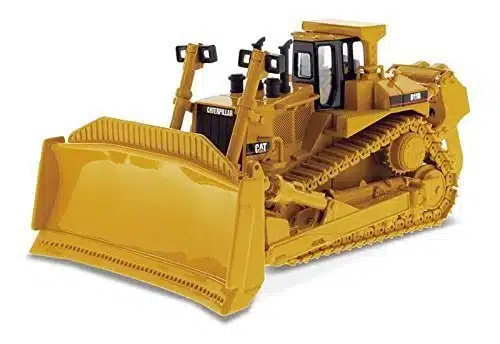
This guide covers all critical systems of the D11R, ensuring technicians and operators have access to comprehensive instructions to keep the machine in optimal working order.
Caterpillar D11R Service Repair Manual (AAF) Key System Breakdown
1. Engine
The D11R AAF is powered by the robust Caterpillar 3508B Engine, designed to deliver exceptional performance under harsh working conditions. This turbocharged, after cooled engine ensures that the tractor can handle even the toughest jobs while maintaining fuel efficiency.
Engine Features:
- Turbocharged and after cooled for improved efficiency
- Direct-injection fuel system
- Produces 770 horsepower, ideal for heavy loads
Maintenance Requirements:
- Regular oil changes with high-quality oil to protect engine components
- Replacement of fuel filters to ensure clean fuel flow
- Coolant system inspections to avoid overheating in high-demand environments
2. Powertrain & Transmission
The powertrain in the D11R AAF model is built for maximum durability and efficiency. Its power shift transmission ensures smooth gear transitions, while the torque converter amplifies the engine’s power to tackle difficult terrains.
Powertrain Maintenance:
- Regular transmission fluid checks and changes
- Inspect transmission filters and replace when clogged
- Check the torque converter for smooth engagement and power transmission
3. Undercarriage System
The undercarriage is a critical element for maintaining the D11R’s stability and performance. With tracks, rollers, idlers, and sprockets built for endurance, this system requires regular care to prevent costly damage.
Wear Areas to Monitor:
- Track shoes and pins for excessive wear
- Carrier and track rollers for damage or misalignment
- Sprockets and idlers for signs of cracks or wear
Maintenance Recommendations:
- Keep the track tension adjusted to prevent strain on the undercarriage
- Regularly lubricate moving parts to extend the life of components
- Inspect tracks and rollers for wear to avoid premature breakdowns
4. Hydraulic System
The hydraulic system controls the ripper and blade functions, ensuring that the machine can handle heavy-duty earth moving tasks with precision. Proper maintenance of the hydraulic system is critical for operational efficiency.
Key Hydraulic Components:
- Pumps and control valves
- Hydraulic cylinders and lines
- Ripper and blade control mechanisms
Service Protocol:
- Regularly inspect hydraulic lines for leaks or damage
- Maintain hydraulic fluid levels and check for contamination
- Replace worn hydraulic seals and fittings to avoid power loss
Maintenance Schedules for D11R AAF Series
Maintaining a proper service schedule is crucial for keeping the D11R AAF operating at peak performance. Below is an outlined maintenance schedule that should be followed to ensure the machine remains reliable.
Daily Inspection
- Engine Oil Levels: Check and refill as necessary to maintain proper lubrication.
- Hydraulic Fluid: Inspect fluid levels and check for signs of leakage or contamination.
- Undercarriage Condition: Inspect tracks and rollers for visible damage or excessive wear.
Weekly Maintenance
- Cooling System: Clean the radiator to ensure proper airflow and inspect for leaks in the coolant system.
- Air Filters: Clean or replace air filters to keep dirt and debris from entering the engine.
- Transmission Fluid: Check transmission fluid levels and inspect for any leaks.
Monthly Service
- Hydraulic System: Drain and replace hydraulic fluid if discolored, and inspect all hydraulic lines for wear.
- Undercarriage Inspection: Re-align tracks if necessary, and inspect rollers, sprockets, and idlers for wear.
- Engine Diagnostics: Use diagnostic tools to scan for any engine sensor issues or error codes.
Advanced Repair Procedures
1. Engine Rebuild
An engine rebuild is sometimes necessary if there is a significant decline in performance or if the engine shows signs of internal damage. A complete engine rebuild involves disassembling the engine, inspecting all internal components, and replacing parts as needed.
Steps for Engine Rebuild:
- Drain all engine fluids and disconnect electrical components.
- Remove the engine from the machine and disassemble the major components, including pistons, crankshaft, and camshaft.
- Inspect for any signs of wear or damage and replace gaskets, bearings, seals, or worn components.
- Reassemble the engine and perform post-rebuild diagnostics to ensure optimal performance.
2. Transmission Overhaul
Transmission issues can result in reduced power or shifting problems. If the D11R shows signs of transmission failure, an overhaul might be required.
Transmission Overhaul Process:
- Drain transmission fluid and remove the transmission casing.
- Inspect gears, shafts, and bearings for signs of wear or damage.
- Replace worn or damaged components, reassemble the transmission, and refill with new transmission fluid.
- Test for proper operation and gear shifting under load.
3. Hydraulic Leak Repair
Hydraulic leaks can lead to a loss of power in the ripper or blade, reducing operational efficiency. Fixing hydraulic leaks promptly prevents more extensive damage.
Steps to Repair Hydraulic Leaks:
- Identify the source of the leak by inspecting hydraulic lines, fittings, and cylinders.
- Replace damaged hydraulic hoses or fittings as necessary.
- Refill the hydraulic system with fresh fluid and bleed out any air pockets.
- Test the system to ensure full functionality without leaks.
Troubleshooting Common Issues
Overheating Problems
Overheating in the D11R can lead to engine failure and reduced productivity. The main causes of overheating include blocked airflow and coolant leaks.
Common Causes:
- Blocked Radiator Fins: Clean regularly to ensure proper airflow.
- Coolant Leaks: Inspect and replace any damaged hoses or seals in the coolant system.
- Faulty Thermostat: Replace the thermostat if it is stuck and preventing proper cooling.
Loss of Hydraulic Power
If the ripper or blade moves sluggishly or fails to respond, the hydraulic system could be experiencing power loss.
Possible Causes:
- Low Hydraulic Fluid: Check fluid levels and refill if necessary.
- Worn Hydraulic Pump: Inspect and replace the hydraulic pump if it’s not providing enough pressure.
- Leaking Cylinders: Replace seals in hydraulic cylinders if they are leaking.