Heavy Equipment Hydraulic System Troubleshooting Guide
Heavy Equipment Hydraulic System Troubleshooting Guide
Introduction
Hydraulic systems are the backbone of modern heavy equipment. Excavators, wheel loaders, bulldozers, motor graders, backhoes, skid steers, and other construction machines rely on hydraulic pressure to power critical functions such as lifting, digging, steering, braking, and attachment operation.
When hydraulic problems occur, machine productivity decreases, operating costs increase, and equipment downtime can become expensive. This Heavy Machinery Equipment guide explains the most common hydraulic system problems, their causes, and practical troubleshooting methods used by technicians and equipment owners.
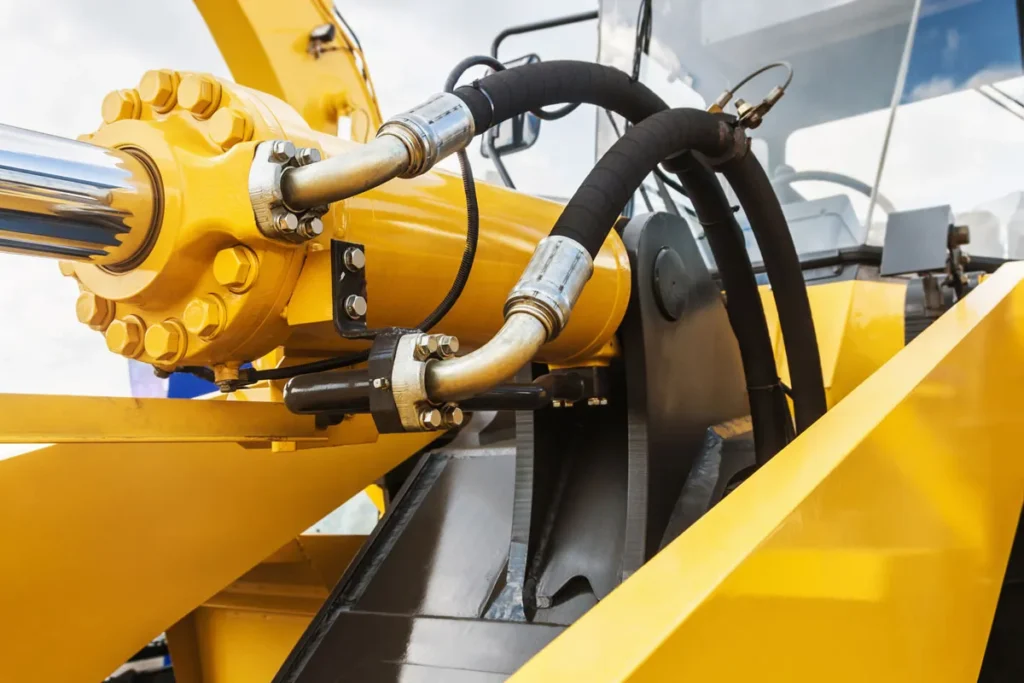
How Heavy Equipment Hydraulic Systems Work
A hydraulic system transfers power through pressurized fluid. Major components include:
- Hydraulic pump
- Hydraulic reservoir
- Hydraulic control valves
- Hydraulic cylinders
- Hydraulic motors
- Hydraulic hoses and fittings
- Hydraulic filters
- Pressure relief valves
The pump creates flow, while system pressure is generated when resistance is encountered. Proper hydraulic performance depends on maintaining the correct pressure, flow rate, fluid condition, and component integrity.
Common Hydraulic System Problems
1. Slow Hydraulic Functions
Symptoms
- Slow boom movement
- Reduced lifting capacity
- Delayed steering response
- Sluggish bucket operation
Possible Causes
- Low hydraulic fluid level
- Worn hydraulic pump
- Clogged hydraulic filter
- Internal cylinder leakage
- Restricted hydraulic lines
- Incorrect hydraulic fluid viscosity
Troubleshooting Steps
- Check hydraulic oil level.
- Inspect filters for contamination.
- Measure system pressure using hydraulic gauges.
- Test pump output flow.
- Inspect cylinders for internal bypassing.
- Verify fluid specifications match manufacturer recommendations.
2. Hydraulic System Overheating
Symptoms
- High oil temperature warnings
- Reduced machine performance
- Premature seal wear
- Frequent component failures
Possible Causes
- Dirty oil cooler
- Low oil level
- Excessive internal leakage
- Worn hydraulic pump
- Relief valve malfunction
- Continuous high-load operation
Troubleshooting Steps
- Clean hydraulic coolers and radiators.
- Verify cooling fan operation.
- Check relief valve settings.
- Test pump efficiency.
- Analyze hydraulic oil condition.
3. Hydraulic Pump Failure
Symptoms
- Loss of hydraulic power
- Unusual whining noises
- Excessive vibration
- Low system pressure
Common Causes
- Oil contamination
- Cavitation
- Aeration
- Insufficient lubrication
- Excessive operating temperatures
Inspection Checklist
- Examine pump inlet restrictions.
- Check suction hoses for cracks.
- Inspect reservoir screens.
- Measure pump pressure output.
- Evaluate oil cleanliness levels.
4. Hydraulic Cylinder Drift
Symptoms
- Boom slowly lowers when parked
- Bucket position changes without control input
- Attachment cannot hold load
Possible Causes
- Damaged piston seals
- Worn cylinder components
- Leaking control valves
- Internal bypass leakage
Diagnostic Procedure
- Extend the cylinder fully.
- Shut off the machine.
- Monitor movement over time.
- Isolate the cylinder from the control valve.
- Determine whether leakage is occurring internally or externally.
5. Hydraulic Hose and Fitting Leaks
Common Signs
- Oil accumulation around fittings
- Wet hydraulic hoses
- Pressure loss
- Environmental contamination
Root Causes
- Damaged seals
- Loose fittings
- Hose deterioration
- Excessive system pressure
- Improper installation
Recommended Actions
- Replace damaged hoses immediately.
- Tighten fittings according to specifications.
- Inspect routing and clamp positions.
- Verify operating pressures remain within design limits.
Hydraulic Contamination Problems
Contamination is responsible for a significant percentage of hydraulic component failures.
Types of Contamination
Solid Particle Contamination
Examples include:
- Dirt
- Metal particles
- Dust
- Rust
Water Contamination
Common sources:
- Condensation
- Damaged seals
- Improper storage
Air Contamination
Caused by:
- Loose suction connections
- Low fluid levels
- Damaged hoses
Hydraulic Pressure Testing Procedures
Pressure testing helps identify failures in:
- Hydraulic pumps
- Relief valves
- Control valves
- Cylinders
- Hydraulic motors
Basic Pressure Test Process
- Install calibrated pressure gauges.
- Warm the machine to operating temperature.
- Compare readings with manufacturer specifications.
- Record pressure values during operation.
- Analyze pressure drops and fluctuations.
Accurate specifications should always be referenced from the machine’s service manual before performing diagnostic procedures.
Preventive Maintenance for Hydraulic Systems
Regular maintenance reduces repair costs and extends equipment life.
Daily Inspections
- Check hydraulic fluid level.
- Inspect hoses and fittings.
- Look for leaks.
- Monitor unusual noises.
Scheduled Maintenance
- Replace hydraulic filters.
- Sample hydraulic oil.
- Clean cooling systems.
- Inspect cylinders and pumps.
- Verify pressure settings.
Hydraulic Troubleshooting Flow Chart
Machine Function Is Slow
↓
Check Fluid Level
↓
Inspect Hydraulic Filters
↓
Test System Pressure
↓
Check Pump Performance
↓
Inspect Cylinders and Valves
↓
Repair or Replace Failed Component
Equipment Types Most Affected by Hydraulic Issues
Hydraulic troubleshooting procedures are commonly applied to:
- Hydraulic excavators
- Wheel loaders
- Backhoe loaders
- Bulldozers
- Skid steer loaders
- Motor graders
- Forestry equipment
- Agricultural tractors
- Telehandlers
Each machine may have unique diagnostic specifications, pressure settings, and testing procedures that should be verified using the appropriate workshop service manual.
Conclusion
Understanding hydraulic system troubleshooting is essential for maintaining heavy equipment reliability and reducing downtime. By identifying symptoms early, performing systematic diagnostics, and following manufacturer specifications, technicians can accurately diagnose hydraulic failures and restore machine performance efficiently.
For detailed pressure specifications, diagnostic procedures, hydraulic schematics, component testing instructions, and repair information, always consult the appropriate service repair manual for your specific machine model.