Heavy Equipment Steering & Brake Components Guide
Heavy Equipment Steering & Brake Components Guide
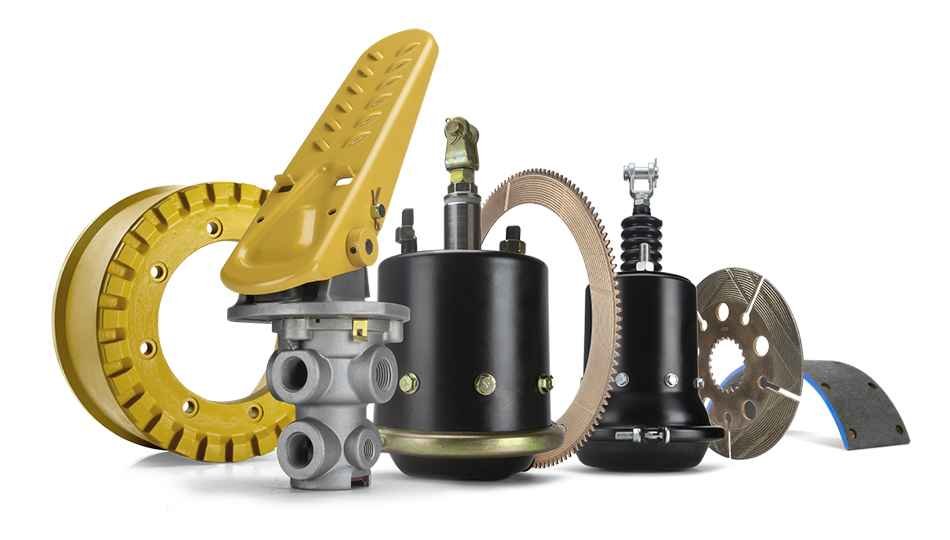
Power Steering Valve
The power steering valve is a critical hydraulic component that controls the flow and pressure of hydraulic oil to the steering cylinders in heavy machinery. Whether operating a motor grader, excavator, wheel loader, or tractor, a properly functioning steering valve ensures precise steering response and operator safety.
Common symptoms of a failing power steering valve include hard steering, excessive steering wheel play, hydraulic leaks, noisy operation, and inconsistent steering performance. Regular inspection of seals, hydraulic lines, and valve assemblies helps prevent premature wear and costly repairs.
Following the manufacturer’s maintenance schedule and using a detailed service manual allows technicians to diagnose steering system problems accurately and replace worn components efficiently. Proper maintenance improves machine reliability, reduces downtime, and extends the service life of the hydraulic system.
Brake Valve
The brake valve plays an essential role in the braking system of heavy equipment by regulating hydraulic or air pressure to provide safe and controlled stopping power. Reliable brake valve performance is critical for motor graders, loaders, excavators, and other construction equipment operating under demanding conditions.
Signs of brake valve failure include delayed braking response, pressure loss, uneven braking, fluid leaks, and reduced braking efficiency. Routine inspection of valves, hydraulic lines, seals, and brake circuits helps identify potential issues before they become serious safety hazards.
Using the correct repair procedures and factory service documentation ensures accurate diagnostics and proper component replacement. Preventive maintenance not only enhances operator safety but also reduces repair costs and improves overall machine performance.
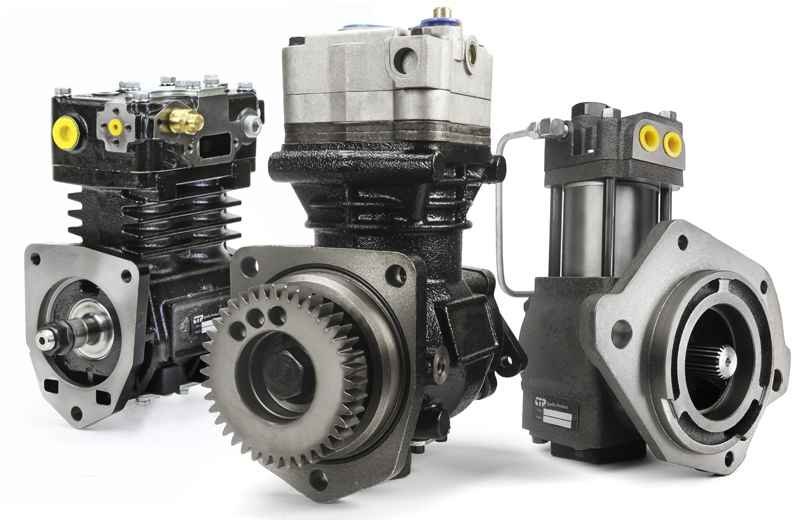
Cylinders
Hydraulic cylinders convert hydraulic pressure into mechanical force, allowing heavy machinery to lift, steer, tilt, and move attachments with precision. They are among the most important components in motor graders, excavators, bulldozers, wheel loaders, and backhoes.
Over time, hydraulic cylinders may develop leaking seals, scored rods, internal bypass, or damaged barrels due to contamination and heavy workloads. Regular inspection, proper lubrication, and clean hydraulic fluid significantly increase cylinder lifespan and reduce unexpected failures.
A comprehensive service manual provides repair procedures, seal replacement instructions, torque specifications, and hydraulic testing information to help technicians restore cylinder performance quickly and accurately. Preventive maintenance minimizes downtime while maximizing productivity in demanding job site conditions.
Parking Brake
The parking brake is a vital safety system designed to keep heavy machinery securely stationary when parked or during maintenance procedures. Modern parking brake systems may be hydraulic, mechanical, spring-applied, or electronically controlled depending on the equipment model.
Common parking brake problems include worn brake discs, damaged springs, hydraulic leaks, improper adjustment, or actuator failure. Ignoring these issues can lead to unsafe machine movement and expensive repairs. Routine inspections and scheduled maintenance ensure reliable parking brake performance in all operating conditions.
Using the appropriate technical manual allows technicians to inspect, adjust, troubleshoot, and repair parking brake components according to manufacturer specifications. Proper maintenance improves job site safety, extends component life, and ensures dependable machine operation.