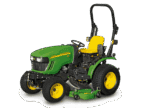
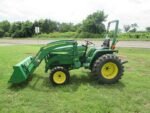
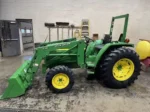
John Deer 1023E and 1025R Compact Utility Tractor Operators Manual
- Manual Included:
- Operators Manual: 122 pages
- Specifications:
- Brand: John Deere
- Model: 1023E, 1025R
- Serial Number: 1023E (310001-), 1025R (110001-)
- Market: North American Edition
- Manuals: Operator’s Manual
- Publication Numbers: OMLVU25849
- Language: English
- Format: PDF
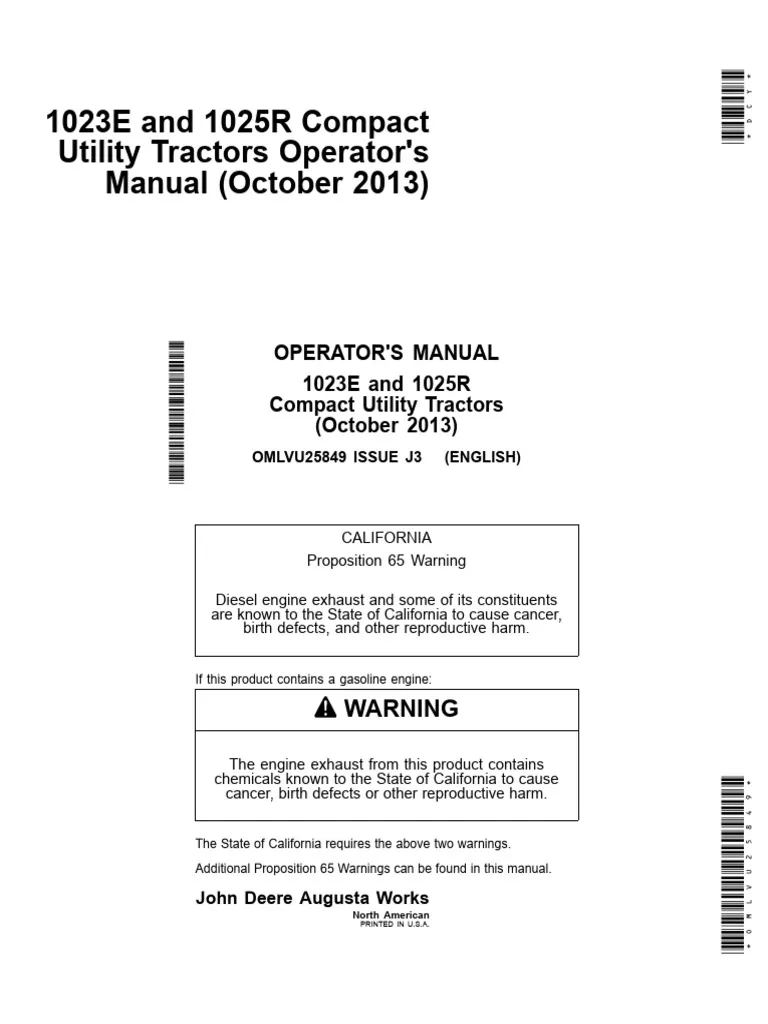
Illustrated Factory Operators Manual for John Deere Compact Utility Tractors 1023E and 1025R Compact Utility Operators Manual
This John Deere Service Manual contains high-quality images, circuit diagrams, instructions to help you to operate, maintenance, diagnostic, and repair your truck. This document is printable, without restrictions, contains searchable text, bookmarks, crosslinks for easy navigation.
John Deere 1023E 1025R 1026R Compact Tractor Technical Manual
John Deere 1023e 1025r 1026r Utility Service Manual
Contents:
Table of Contents
Foreword
Introduction
- Thank You for Choosing a John Deere Product
- How to Use Your Operator’s Manual
- Special Messages
- Attachments for Your Machine
- Product Identification
- Recording Identification Numbers
- Safety Label Locations
- Pictorial Safety Signs
- Warning LVU23360
- Warning – Keep Riders Off (LVU13286)
- Warning / Caution (CC40740)
- Warning – Australia Only
Safety
- Recognizing Safety Information
- Understanding Signal Words
- Following Safety Instructions
- Emergency Preparedness
- Wearing Protective Clothing
- Noise Protection
- Safe Fuel Handling – Fire Prevention
- Using Starting Fluid Safely
- Fire Prevention Measures
- In Case of Fire
- Keeping ROPS Properly Installed
- Using Foldable ROPS and Seat Belt Correctly
- Staying Clear of Rotating Drivelines
- Using Steps and Handholds Properly
- Reading Operator Manuals for ISOBUS Implements
- Using Seat Belt Correctly
- Operating the Tractor Safely
- Avoiding Back‑Over Accidents
- Limited Use in Forestry Operations
- Operating Loader‑Equipped Tractors Safely
- Keeping Riders Off the Machine
- Instructional Seat Usage
- Using Safety Lights and Devices
- Towing Attached Equipment at Safe Speeds
- Exercising Caution on Slopes and Uneven Terrain
- Freeing a Stuck Machine
- Avoiding Contact with Agricultural Chemicals
- Handling Agricultural Chemicals Safely
- Safe Battery Handling
- Avoiding Heat Near Pressurized Fluid Lines
- Removing Paint Before Welding or Heating
- Handling Electronic Components and Brackets Safely
- Practicing Safe Maintenance
- Avoiding Hot Exhaust
- Cleaning the Exhaust Filter Safely
- Working in Ventilated Areas
- Properly Supporting the Machine
- Preventing Machine Runaway
- Parking the Machine Safely
- Transporting the Tractor Safely
- Servicing the Cooling System Safely
- Servicing Accumulator Systems Safely
- Servicing Tires Safely
- Servicing Front‑Wheel Drive Tractors Safely
- Tightening Wheel Retaining Bolts and Nuts
- Avoiding High‑Pressure Fluid Hazards
- Do Not Open High‑Pressure Fuel Systems
- Storing Attachments Safely
- Proper Waste Disposal
Operating Controls
- Operator Station Controls
Operation
- Daily Operating Checklist
- Avoiding Damage to Plastic and Painted Surfaces
- Seat Adjustment
- Using the Seat Belt
- Adjusting the Tilt Steering Wheel (1025R)
- Using the Mower Height Control Knob
- Using the Light Switch
- Using the Key Switch
- Using the Instrument Panel
- Using the Turn Signal Switch
- Testing Safety Systems
- Testing the Neutral Start Switch
- Testing the Rear PTO / Reverse Implement Option (RIO) Switch
- Testing the Seat Switch
- Testing the Reverse Implement Option (RIO)
- Using the Brake Pedal
- Using the Parking Brake
- Using the Throttle
- Using the Fuel Gauge
- Using the Fuel Shut‑Off Valve
- Starting the Engine
- Cold Weather Starting Aids
- Engine Warm‑Up and Idling
- Restarting a Stalled Engine
- Stopping the Machine
- Operating the Hydrostatic Transmission
- Using the Reverse Implement Option (RIO)
- Using Cruise Control – 1025R
- Using Differential Lock (Traction Assist)
- Using Mechanical Front‑Wheel Drive (MFWD)
- Using the Power Take‑Off (PTO) Safely
- Checking PTO Driveshaft Length
- Using Rear and Mid PTO
- Using the Rear Hitch
- Using the Three‑Point Hitch
- Using the Optional iMatch Quick‑Attach Hitch System
- Connecting Implement Hydraulic Hoses
- Using the Hydraulic Dual Selective Control Valve (SCV)
- Using the SCV Lock Lever
- Ballasting the Machine
- Transporting the Machine on a Trailer
- Transporting the Machine
- Towing Loads
- Using a Safety Chain
- Raising and Lowering the ROPS
Replacement Parts
- Service Literature
- Parts Information
Service Intervals
- Servicing Your Machine
- As Needed
- After the First 10 Hours
- Every 10 Hours or Daily
- After the First 50 Hours
- Every 50 Hours
- Every 200 Hours
- Every 400 Hours
- Every 600 Hours
- Annually
- Every 1,200 Hours
- Every Two Years or 2,000 Hours
- Every Six Years or 6,000 Hours
Service – Lubrication
- Grease Specifications
- Lubricating Grease Fittings
- Lubricating SCV Linkage
- Lubricating the Three‑Point Hitch
Service – Engine
- Engine Warranty Maintenance Statement
- Avoiding Fumes
- Engine Oil
- Checking Engine Speeds
- Checking Engine Oil Level
- Changing Engine Oil and Filter
- Cleaning the Dust Unloading Valve
- Checking the Air Restriction Indicator (1025R Only)
- Servicing Air Filter Elements
- Checking Air Filter Intake Hoses and Clamps
- Cooling System Safety
- Recommended Engine Coolant
- Cooling System Service
- Checking Radiator Hoses and Clamps
- Cleaning the Radiator Cooling Screen and Fins
- Servicing the Alternator Belt
- Checking and Cleaning the Fuel Filter Sediment Bowl and Replacing the Filter
- Fuel Injection Pump
- Fuel Injection Nozzles
- Cleaning Front Grille Screens
Service – Transmission
- Transmission and Hydraulic Oil
- Checking Front Axle Oil Level
- Changing Front Axle Oil
- Checking Transmission Oil Level
- Changing Transmission Oil and Filter
- Removing and Installing the Oil Suction Screen
Service – Electrical
- Electrical System Maintenance
- Battery Safety
- Checking Battery Electrolyte Level
- Removing and Installing the Battery
- Cleaning the Battery and Terminals
- Using a Booster Battery
- Replacing the Headlight Bulb
- Replacing the Tail / Turn Light Bulb
- Replacing the Warning Light Bulb
- Replacing the Worklight Bulb (1025R)
- Replacing Relays and Fuses
Service – Steering and Brakes
- Brake Adjustment
Service – Miscellaneous
- Using Proper Diesel Fuel
- Filling the Fuel Tank
- Raising and Lowering the Hood
- Removing and Installing Side Panels
- Checking Wheel Bolts and Hardware
- Removing and Installing Wheels
- Checking Tire Pressure
- Selecting Front Tire Rolling Direction
- Cleaning Plastic Surfaces
- Cleaning and Repairing Metal Surfaces
Troubleshooting
- Using the Troubleshooting Chart
- Engine Issues
- Electrical System Issues
- Machine Issues
- Brake Issues
- Steering Issues
Storage
- Storage Safety
- Preparing the Machine for Storage
- Preparing the Fuel and Engine for Storage
- Removing the Machine from Storage
Specifications
- Engine
- Drivetrain
- Electrical System
- Front Wheels and Tires
- Rear Wheels and Tires
- Maximum Front Tire Inflation Pressures
- Maximum Rear Tire Inflation Pressures
- Fluid Capacities
- Ground Speeds
- Dimensions
- Tread Width
- Height from Ground
- Ground Clearance
- Turning Radius
- Weight
- Three‑Point Hitch
- Torque Values – Inch Fastener Hardware
- Torque Values – Metric Hardware
Warranty
- Product Warranty
- John Deere, Federal, and California Emission Control System Warranty (Non‑Road Diesel)
- Tire Warranty
- Limited Battery Warranty
- John Deere Quality Statement
Service Record
Recording Service Dates