Heavy Equipment Engine Maintenance Repair Guide
Heavy Equipment Engine Maintenance Repair Guide
1. Introduction
Heavy equipment engines are the core power units of construction, mining, and agricultural machinery. They convert fuel energy into mechanical power that drives hydraulic systems, transmissions, and auxiliary functions.
Proper engine maintenance and structured repair procedures are essential to prevent breakdowns, reduce fuel consumption, and extend equipment service life.
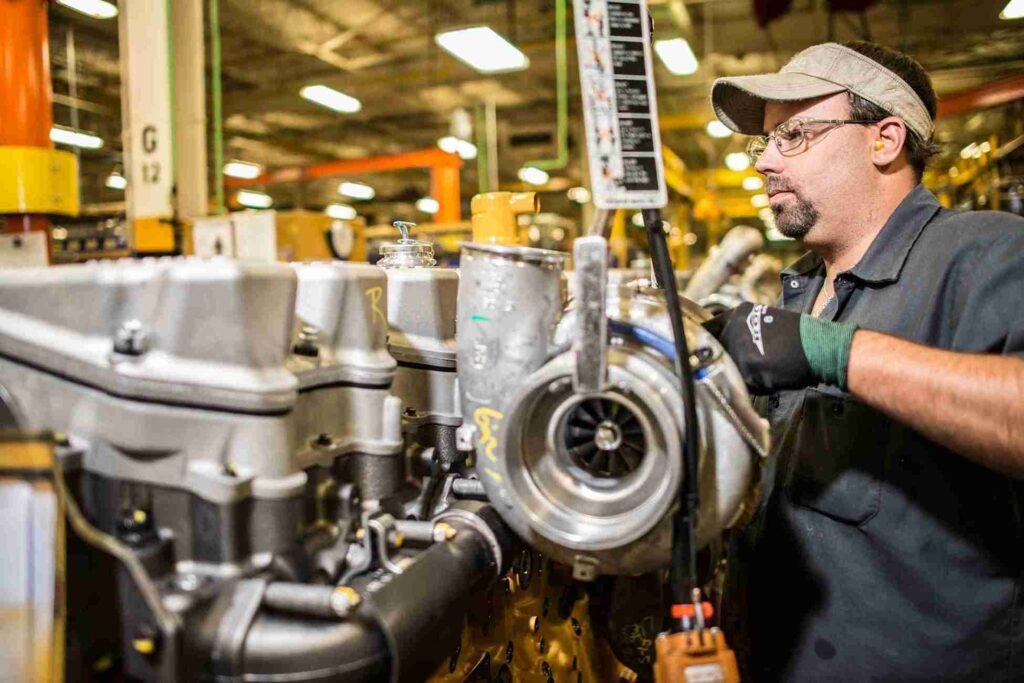
2. Heavy Equipment Engine System Overview
2.1 Main Engine Components
A typical diesel engine in heavy machinery includes:
- Cylinder block and head assembly
- Fuel injection system
- Turbocharger system
- Cooling system (radiator, water pump, thermostat)
- Lubrication system (oil pump, filters, galleries)
- Air intake and filtration system
- Exhaust and emission control system
2.2 Engine Operating Principle
Diesel engines operate through compression ignition, where air is compressed inside the cylinder and fuel is injected at high pressure to generate combustion and mechanical force.
3. Common Engine Problems in Heavy Equipment
3.1 Hard Starting or No Start Condition
Symptoms:
- Engine cranks but does not start
- Delayed ignition
- Cold start difficulty
Possible Causes:
- Weak battery or starter system
- Fuel delivery restriction
- Air in fuel system
- Faulty injectors
3.2 Loss of Engine Power
Symptoms:
- Reduced load performance
- Slow hydraulic response
- Excessive smoke under load
Possible Causes:
- Clogged air filter
- Turbocharger failure
- Fuel injection imbalance
- Low compression
3.3 Engine Overheating
Symptoms:
- High temperature warning
- Coolant loss
- Engine shutdown under load
Possible Causes:
- Radiator blockage
- Water pump failure
- Low coolant level
- Thermostat malfunction
3.4 Excessive Smoke Emission
Symptoms:
- Black, white, or blue exhaust smoke
Possible Causes:
- Improper fuel-air mixture
- Injector wear
- Turbocharger inefficiency
- Oil leakage into combustion chamber
4. Engine Diagnostic Procedures
4.1 Visual and Fluid Inspection
Check:
- Engine oil condition and level
- Coolant level and contamination
- Fuel leaks or air entry points
4.2 Compression Testing
Measure cylinder compression to identify:
- Worn piston rings
- Valve sealing issues
- Cylinder head gasket failure
4.3 Electronic Diagnostics
Use diagnostic tools to scan ECU for:
- Fault codes
- Sensor malfunctions
- Fuel injection timing errors
4.4 Fuel System Testing
Inspect:
- Fuel pump pressure
- Injector spray pattern
- Fuel filter restriction
5. Advanced Engine Troubleshooting (Critical Diagnostic Section)
At this stage, technicians isolate internal mechanical and fuel system failures using pressure testing, ECU data analysis, and performance evaluation under load conditions.
5.1 Internal Engine Condition Analysis
Check:
- Cylinder compression balance
- Oil pressure stability
- Injector performance consistency
5.2 System Performance Correlation
Compare:
- Engine RPM vs load response
- Fuel consumption vs output power
- Temperature behavior under working conditions
⚙️ Official Technical Reference (Backlink Placement – SEO OPTIMAL POSITION)
For complete OEM specifications, torque values, engine teardown procedures, injector calibration data, and diagnostic flowcharts, refer to:
➡️ Heavy Equipment Engine Repair Manual
This technical documentation provides model-specific instructions for disassembly, rebuilding, troubleshooting charts, and manufacturer-approved service procedures.
6. Cooling and Lubrication System Failures
6.1 Cooling System Issues
- Radiator clogging
- Thermostat failure
- Water pump wear
6.2 Lubrication System Issues
- Low oil pressure
- Oil pump wear
- Blocked oil passages
7. Preventive Maintenance Program
7.1 Daily Maintenance Checks
- Engine oil level inspection
- Coolant level verification
- Air filter condition
7.2 Scheduled Maintenance
- Oil and filter replacement
- Fuel system cleaning
- Cooling system flushing
- Injector calibration checks
8. Equipment Commonly Affected by Engine Issues
Engine-related problems frequently occur in:
- Excavators
- Wheel loaders
- Bulldozers
- Motor graders
- Backhoe loaders
- Skid steer loaders
- Mining trucks
Each machine requires OEM-specific service intervals and diagnostic procedures.
9. Conclusion
Heavy equipment engine maintenance and repair require systematic diagnostics combining mechanical inspection, electronic scanning, and fuel system analysis. Proper maintenance significantly reduces downtime and improves machine efficiency.
Always refer to official manufacturer service documentation for accurate specifications and repair procedures.
Heavy Equipment Engine Maintenance Repair Guide